

MOVERoute control
Mobility
Choose this when the failed raid starts with bad rotations, missed climbs, or no stamina left at extract.
Plan and share Arc Raiders skill trees before spending points in-game. The builder shows allocated skills, branch totals, prerequisites and a link to your build.
Whether you're a new raider learning the ropes or a veteran min-maxing your extraction loadout, this Arc Raiders calculator is designed to help you theory-craft the perfect build before committing in-game. Experiment with Mobility, Survival, and Conditioning branches risk-free.
Skill trees published by creators for the new tree, checked against the Frozen Trail rules so every one loads and can be built in-game.
What changed in the Frozen Trail 2.0 skill treeMiddle-ground 76-point Frozen Trail tree: Security Breach and Sprinting on Fumes, with full downed-state Conditioning and a Quick Roll Survival core.
76-point PvE tree: Security Breach with Mule's Gallop for heavy loot runs, Sprinting on Fumes for rotations and breach utility in Survival.
Fight-first 76-point tree: Sprinting on Fumes with maxed Slip and Slide, Back On Your Feet and the full downed kit plus maxed Turtle Crawl.
76-point PvE loot route: Security Breach with Mule's Gallop and Speedy Mule for heavy bags, plus maxed Looter's Instincts and Looter's Luck. Allocation as transcribed by Arc Raiders Hub from Millzaa's video.
76-point solo PvP route built around Sprinting on Fumes, Vault Spring and Mule's Gallop, keeping the full downed kit. Allocation as transcribed by Arc Raiders Hub from Millzaa's video.
76-point all-rounder with two capstones: Security Breach and Sprinting on Fumes, split 31/31/14. Allocation as transcribed by Arc Raiders Hub from Millzaa's video.

Planning workflow
Use the builder as a tactical draft board: set your point cap, compare branch pressure, and save links before changing your in-game route.
Test a full route online before spending in-game reset resources.
Check Mobility, Conditioning, and Survival pressure before copying a build.
Save multiple versions and send exact point paths to your squad.
Branch decision
Think in raid failures first: movement, loot value, or fight pressure. The branch table makes that choice explicit.

| Branch | Best For | Core Value | First Skills | Weakness |
|---|---|---|---|---|
| Mobility | Rotations, chasing, escaping, stamina-heavy raids | Keeps you moving when terrain and pressure decide the run. | Youthful Lungs, Nimble Climber, Fight or Flight | Can feel thin if you ignore loot and fight recovery. |
| Survival | Solo loot runs, quiet extracts, carry value | Turns clean raids into better profit and safer resets. | In-round Crafting, Looter's Instincts, Silent Scavenger | Less direct pressure if you constantly force PvP. |
| Conditioning | PvP pressure, heavy kits, long fights | Improves pressure tools once combat starts lasting longer. | Used To The Weight, Three Deep Breaths, Stubborn Mule | Needs movement support or it can feel slow. |
Choose this when the failed raid starts with bad rotations, missed climbs, or no stamina left at extract.
Choose this when you can stay alive but leave with weak loot, poor carry value, or no field options.
Choose this when fights last longer, shields feel heavy, or pressure windows decide the raid.
Starting routes
These are planning shapes, not fixed rules. Use them to decide where your next points should go.
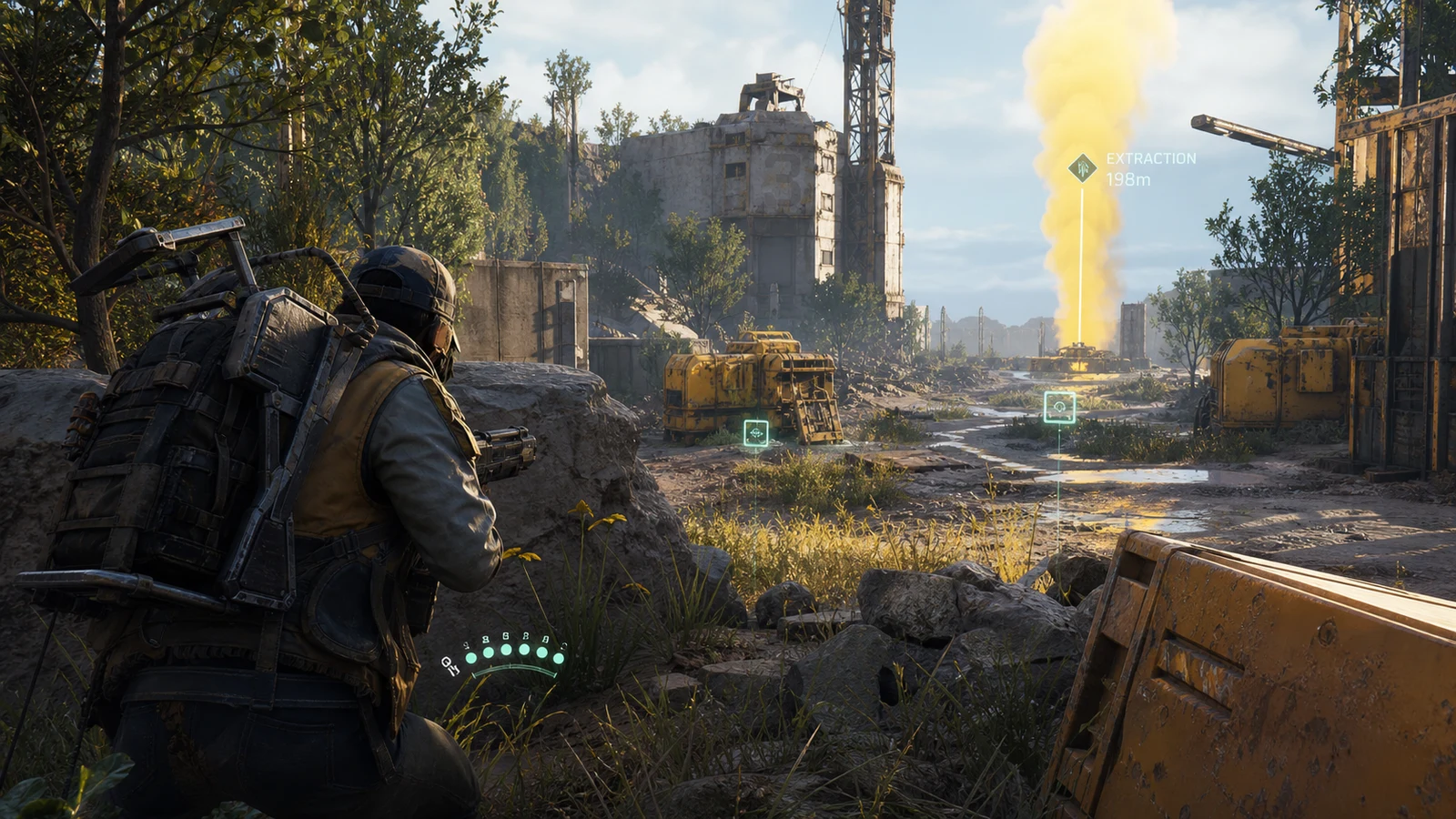
Survival first
Build around crouch value, loot reading, carry space, and enough Mobility to leave bad routes.
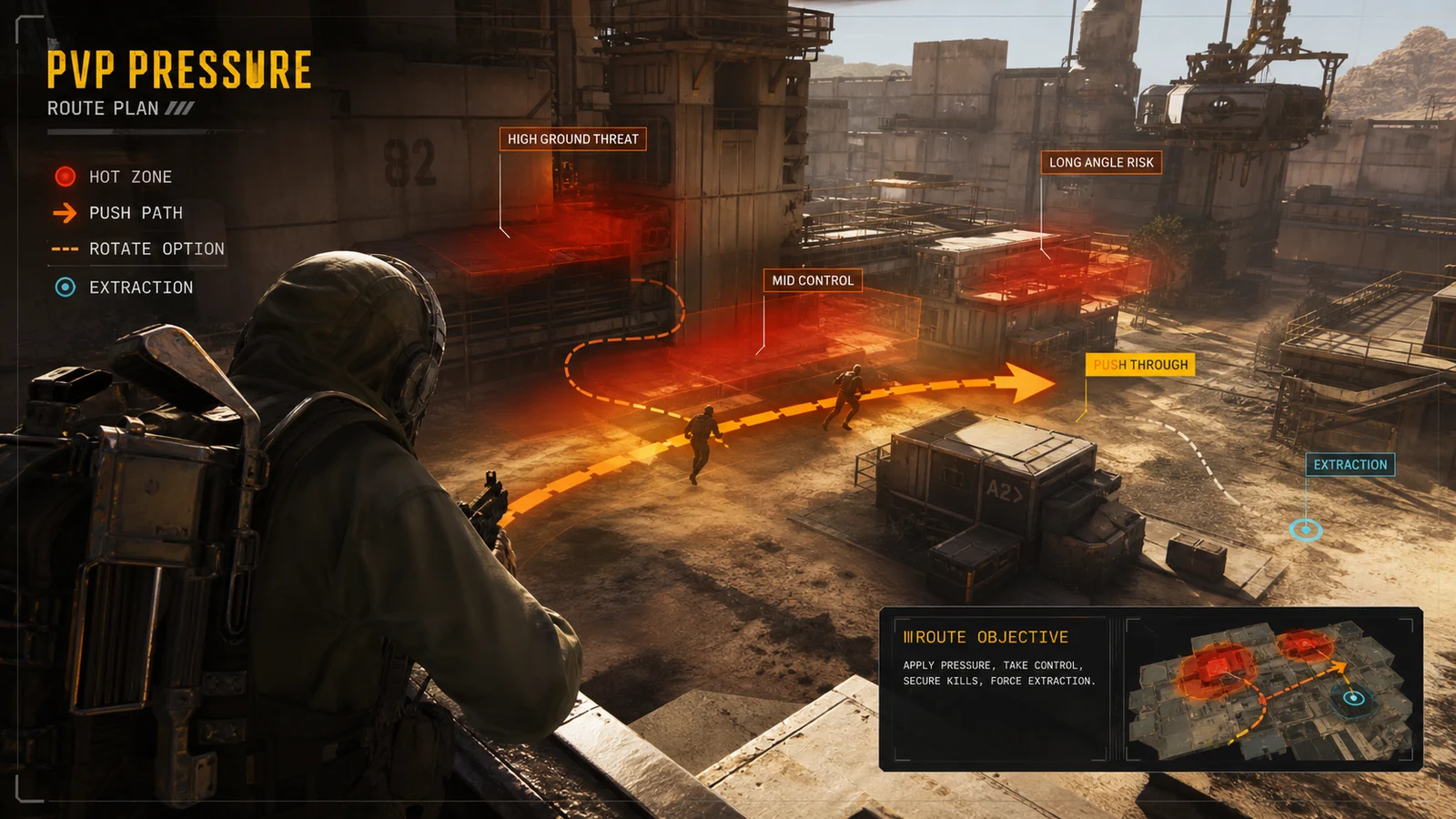
Mobility + Conditioning
Keep stamina and repositioning high, then add fight recovery and pressure skills.
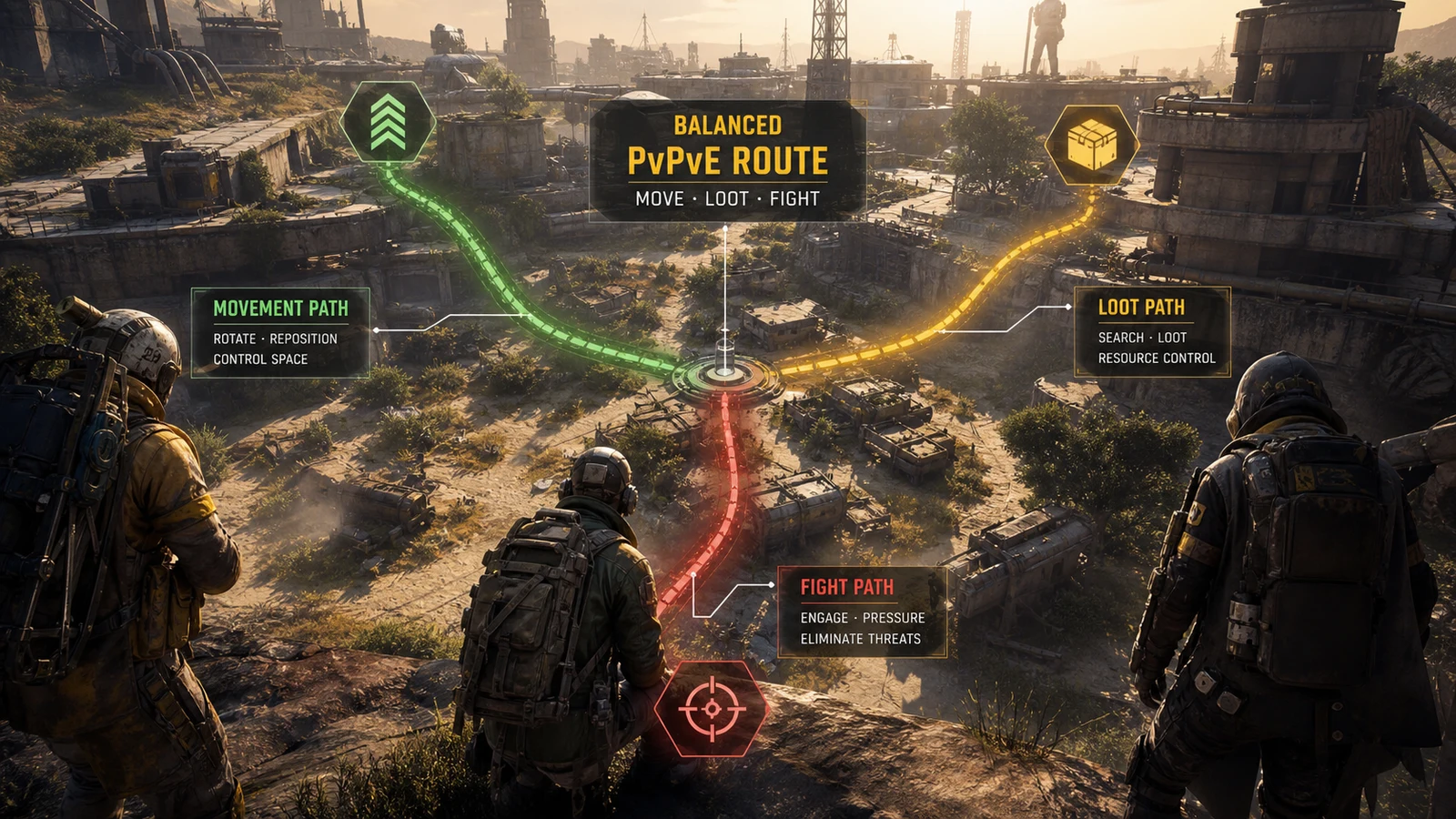
Even split
Use this when you want fewer weaknesses and expect both looting and fights every raid.
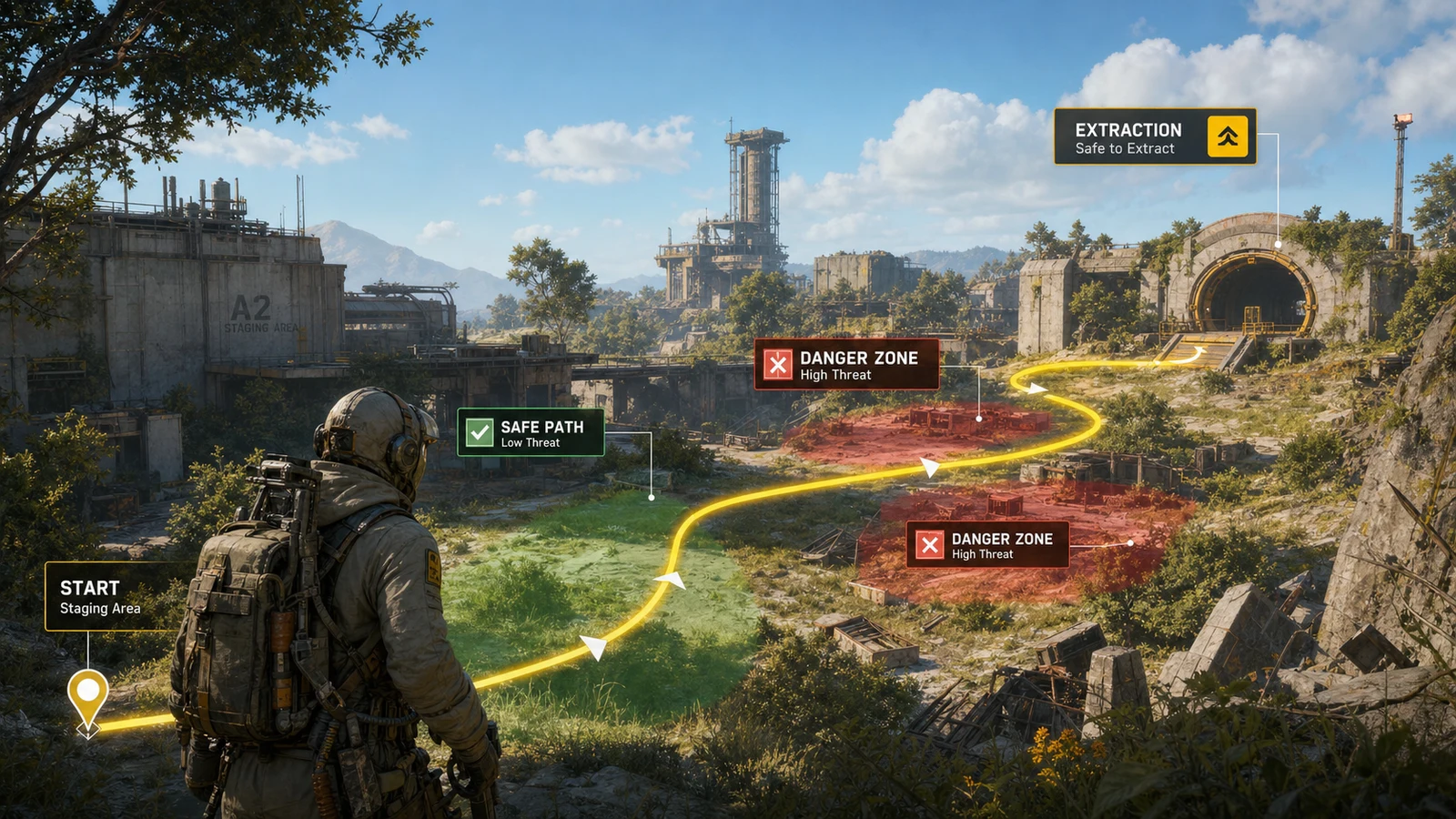
Mobility core
Start with movement and stamina, then add Survival once extracts become consistent.
Point cap progression
High-point builds are useful targets, but the playable version should match your current cap.
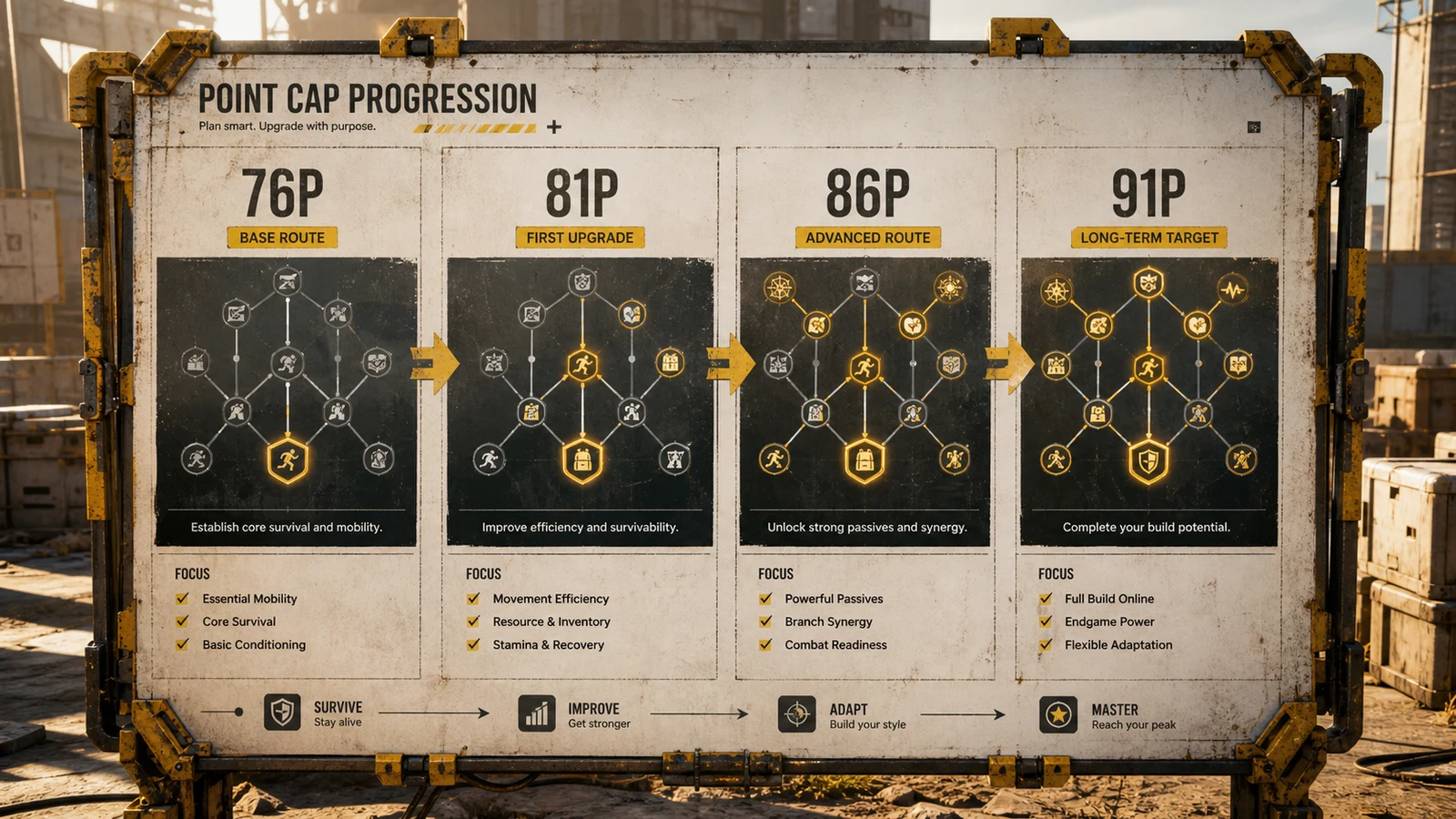
Stage 1
Use as the playable version if you have not earned extra Expedition points.
Stage 2
Add one branch-defining cluster without breaking your main route.
Stage 3
Most creator builds become easier to copy at this point range.
Stage 4
Use for final planning, not as a current build if your account is short.
Raids earn XP; leveling grants base skill points that you allocate in the three branches. Expedition rewards can raise your point cap. Check your current in-game total before copying a build.
Use this planner to compare skill ranks, prerequisites and branch totals before changing your in-game tree. It does not calculate your final in-game attributes.
Advanced strategies to optimize your Arc Raiders skill tree

Movement is the safest early investment because it helps before, during, and after fights.

Loot skills turn clean raids into better extracts instead of empty survival.

Fight skills matter most after your movement route is already stable.

One utility point can save a long raid when supplies run thin.
Recommended templates for every playstyle
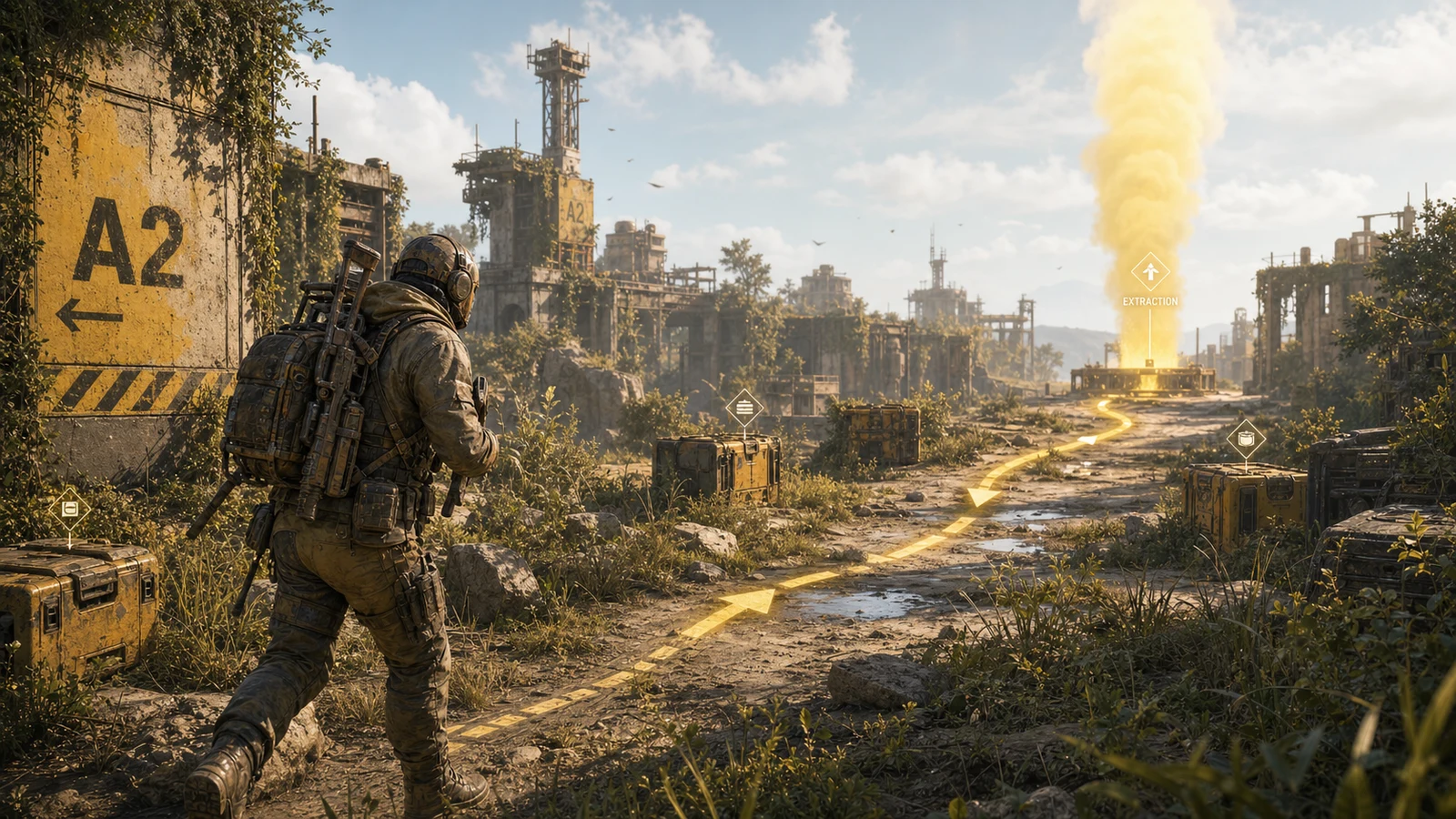
For Survival
Focuses on survivability and looting. Escape fights, regenerate stamina, and find more loot to make the most of your solo runs.
Use Build
For Competitive
Focuses on movement and survival perks to give you an edge on movement and stamina recovery during combat. Designed for high-end PvP.
Use Build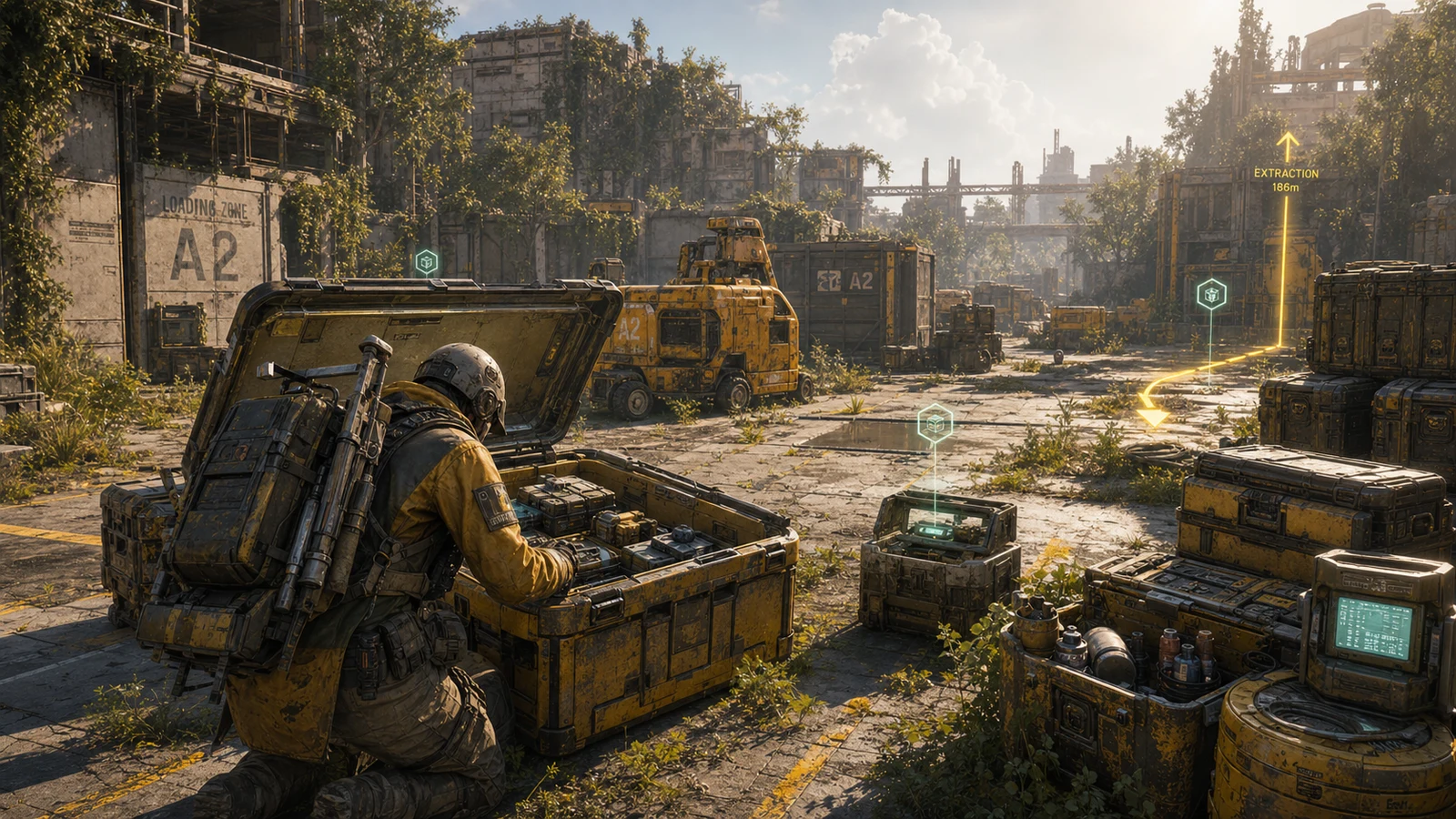
For Harvesting
Makes scavenging extremely easy and efficient. Lacks survivability but speeds up leveling through high-value loot extraction.
Use BuildEssential allocations for your skill tree journey
Arc Raiders is a punishing game where every stat point matters. Going into a raid with an unoptimized build can mean losing your hard-earned gear. Using our skill tree builder is the safest way to experiment with different combinations of Mobility, Survival, and Conditioning without spending in-game currency on resets.
Whether you are a solo player looking for the best solo skill tree to play stealthily, or a squad leader optimizing for team buffs, planning ahead is the key to victory. Our tool allows you to: