Looter's Instincts
5/5Loot revealed faster.
This 86-point route puts 40 points in Survival, 26 in Mobility and 20 in Conditioning. Looter's Instincts, Proficient Pryer, Silent Scavenger, Broad Shoulders and Stubborn Mule are all maxed. Use it when extraction value matters more than a deep Conditioning branch; check your own point cap before copying it.
PvE-oriented 86-point route that balances breach utility, loot sustain, and broad extraction consistency.
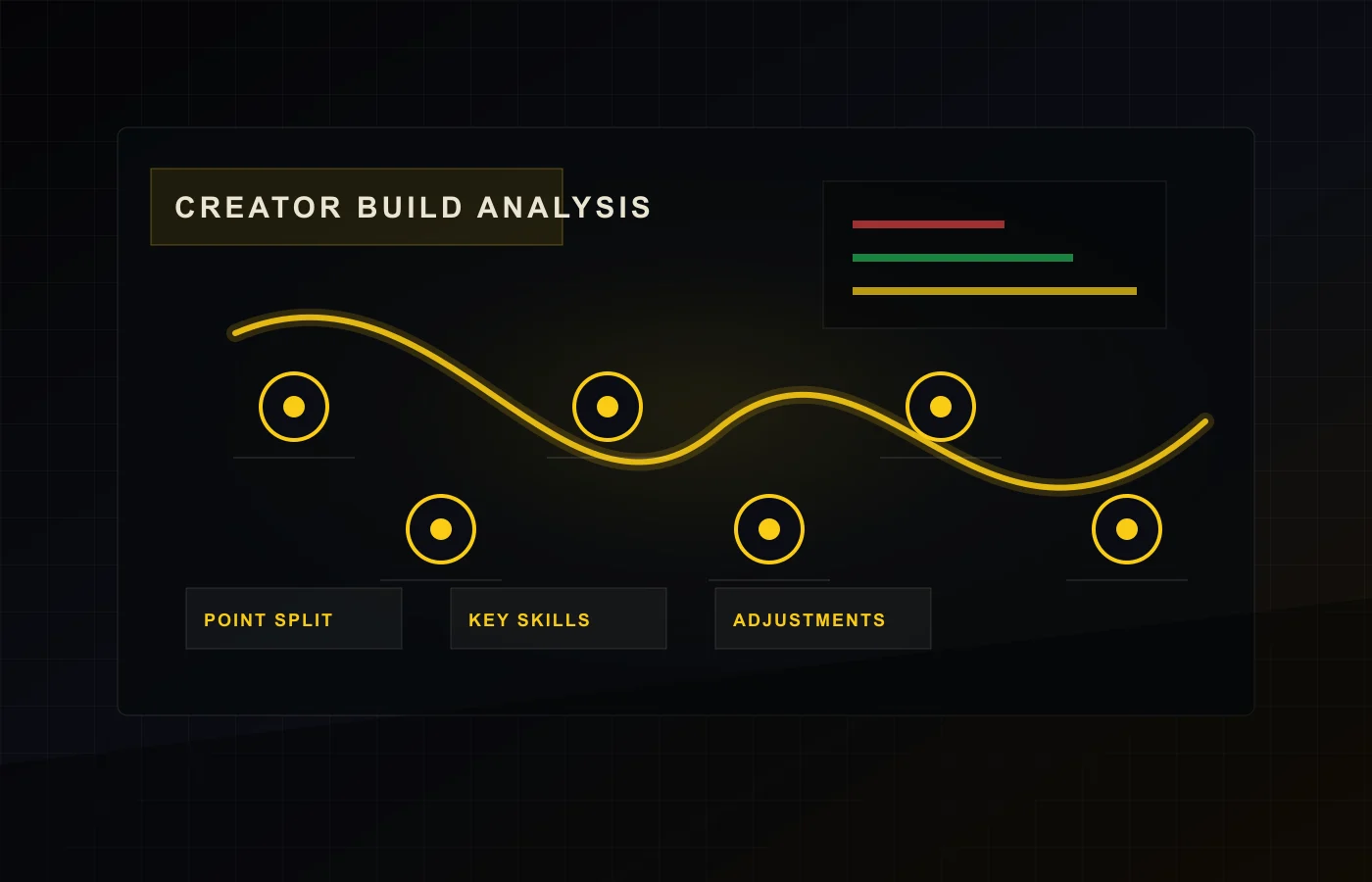
Build analysis
Taxi2g / 86-point PvE and extraction route / 86 points
Planner allocation checked; current game-patch compatibility and original creator publication remain unverified.
Creator
PvE-oriented 86-point route that balances breach utility, loot sustain, and broad extraction consistency.
Point split
Mobility / Conditioning / Survival distribution.
Listed date
Site-listed date. The exact creator post and its publication date have not been independently verified.
Loot revealed faster.
Breaching doors takes less time.
Less noise when looting.
Max weight increased.
Over-encumbered stamina regen.
Regain stamina when hurt.
Analysis revised:
The route listed on ArcSkillTree as Taxi2g PvE 86p allocates 26 points to Mobility, 20 to Conditioning, and 40 to Survival. Those figures describe the imported planner configuration. They do not establish that every account currently has 86 available points, or that Taxi2g has recently recommended this exact configuration. Check your own in-game budget and the attribution note before treating the route as a starting point.
Survival receives roughly 47 percent of the allocation, Mobility 30 percent, and Conditioning 23 percent. The useful question is what those points purchase. The displayed route includes Looter's Instincts, Proficient Pryer, Silent Scavenger, Broad Shoulders, Stubborn Mule, and Fight or Flight at five ranks each. Read their descriptions in the tree rather than assuming that a large branch total improves every activity associated with that branch.
The selected skills give this page a more specific identity than “a good PvE build.” Looter's Instincts addresses how quickly loot is revealed. Proficient Pryer addresses the time spent breaching doors and containers. Silent Scavenger addresses noise during looting. Broad Shoulders addresses carrying capacity. These are separate decisions within a raid: locating value, accessing it, collecting it, and deciding what can leave with you.
That combination is worth examining if your usual session contains repeated stops at containers and an extraction with a loaded inventory. It is less compelling if you spend most of the session seeking player fights and rarely use the funded utility. This is a task-fit judgment, not a claim that the build produces a measured profit increase. Map knowledge, threats, equipment, and the decision to leave still determine what happens.
Forty points in one branch leave 46 for the other two. This allocation therefore needs to justify its utility against the movement and Conditioning choices that another route might buy. Avoid translating “20 Conditioning” into a blanket claim about health, damage, or combat strength. A branch total alone cannot establish those outcomes; individual nodes and their activation conditions matter.
The practical comparison is to identify a skill you regularly need but do not have, then identify the funded skill you would give up to reach it. A proposed swap may require prerequisite spending as well as the destination rank. If the planner shows that your replacement cannot be reached with the points freed, it is not a complete alternative yet. Preserve the original share link so you can return to the listed route after experimenting.
Start by checking whether the listed looting and breaching skills match the activities you repeat. Keep a short record of the problems that interrupt those activities: exposure while interacting, a full inventory, or a difficult return journey. This helps distinguish a skill you use frequently from one that merely sounds relevant. Retain utility because it addresses your recorded problem, rather than because all five-rank skills look important.
If reaching cover or completing the return journey is your recurring difficulty, inspect the Mobility nodes before copying all 40 Survival points. Find a candidate movement change and calculate its entire prerequisite cost. Then compare the exact utility being removed. This page does not provide a validated alternative code for that swap, so it should remain an experiment until the planner accepts it and you have inspected the resulting allocation.
In a squad, decide which tasks you actually perform. A player who regularly handles containers may value this configuration differently from a teammate assigned to watch approaches. Do not assume that the same build suits both roles simply because both players enter the same raid. Discuss the task split first, then compare the skills each player will use. Equipment suggestions should follow that role discussion; this analysis does not establish a particular weapon as mandatory.
An 81-point budget requires removing five points from this 86-point configuration. A 76-point budget requires removing ten. Those are budget calculations, not evidence that either budget is the current universal maximum. Use the number shown on your own account.
Do not delete five or ten visually convenient ranks and assume the result remains valid. Work backward from optional end nodes, check which other skills depend on them, and inspect any branch investment requirements. Removing one prerequisite can invalidate a node you intended to preserve. After trimming, confirm the total, the three branch subtotals, and every skill that defines the revised route. Save the result as a separate adaptation, with its own point budget, instead of relabeling the original 86-point code.
Use a comparison sheet with four entries: total budget, branch allocation, the exact skills that differ, and the activity each difference is intended to help. Comparing an 86-point route with a 76-point route without accounting for the ten-point difference can make the larger build seem better simply because it purchases more options.
Also separate preference from evidence. “I prefer spending less time at containers” explains a personal choice. “This produces faster extractions” requires a suitable test and cannot be inferred from the title. If two builds use different budgets, either compare them as distinct targets or produce a legal equal-budget adaptation before drawing conclusions about their trade-offs.
Open the listed build, verify the 26/20/40 allocation, and inspect the ranks you care about. Confirm your own available points and compare current in-game descriptions with the planner. If you edit the route, generate a fresh share link and reopen it to confirm that it preserves your revised allocation.
When sharing, say whether you are linking the site's listed route or your own adaptation. Keep creator attribution separate from your commentary. Report a mismatched skill, an outdated description, or a missing source with the page URL and relevant build code. A reproducible correction is more useful than a general claim that the build is outdated, and it lets the page improve without inventing a new publication date or an unsupported patch label.
Recommended templates for every playstyle
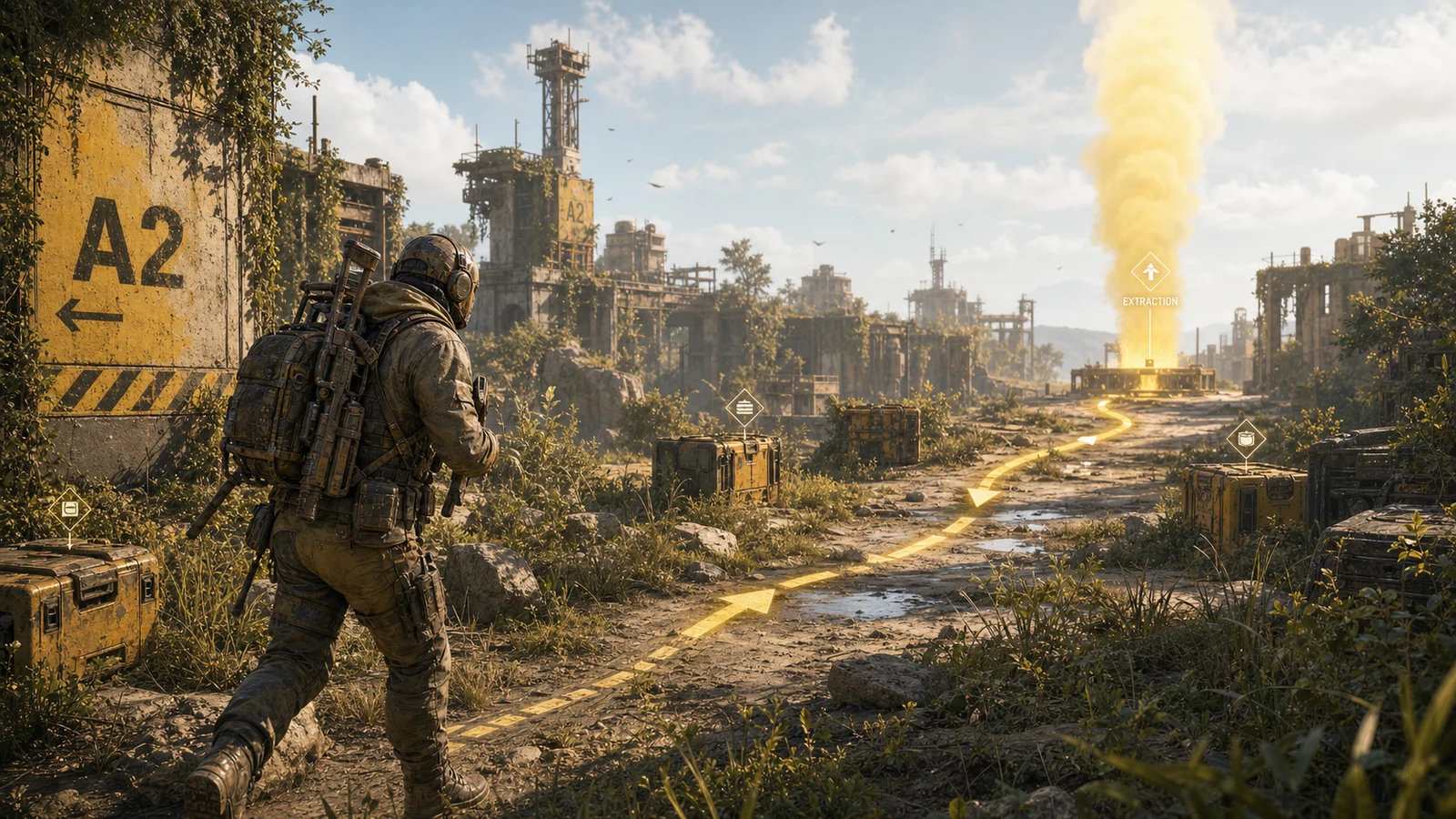
For Survival
Focuses on survivability and looting. Escape fights, regenerate stamina, and find more loot to make the most of your solo runs.
Use Build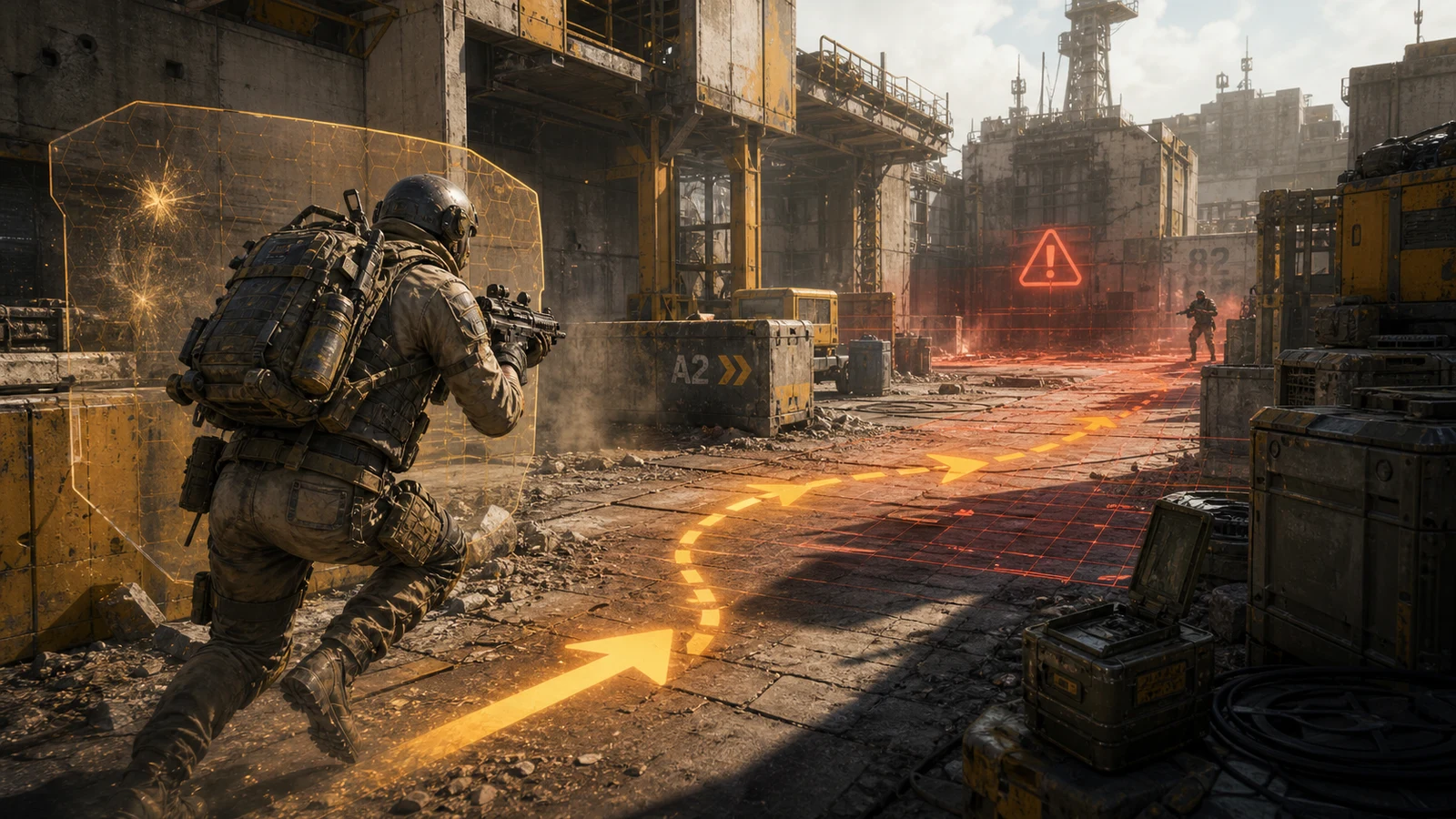
For Competitive
Focuses on movement and survival perks to give you an edge on movement and stamina recovery during combat. Designed for high-end PvP.
Use Build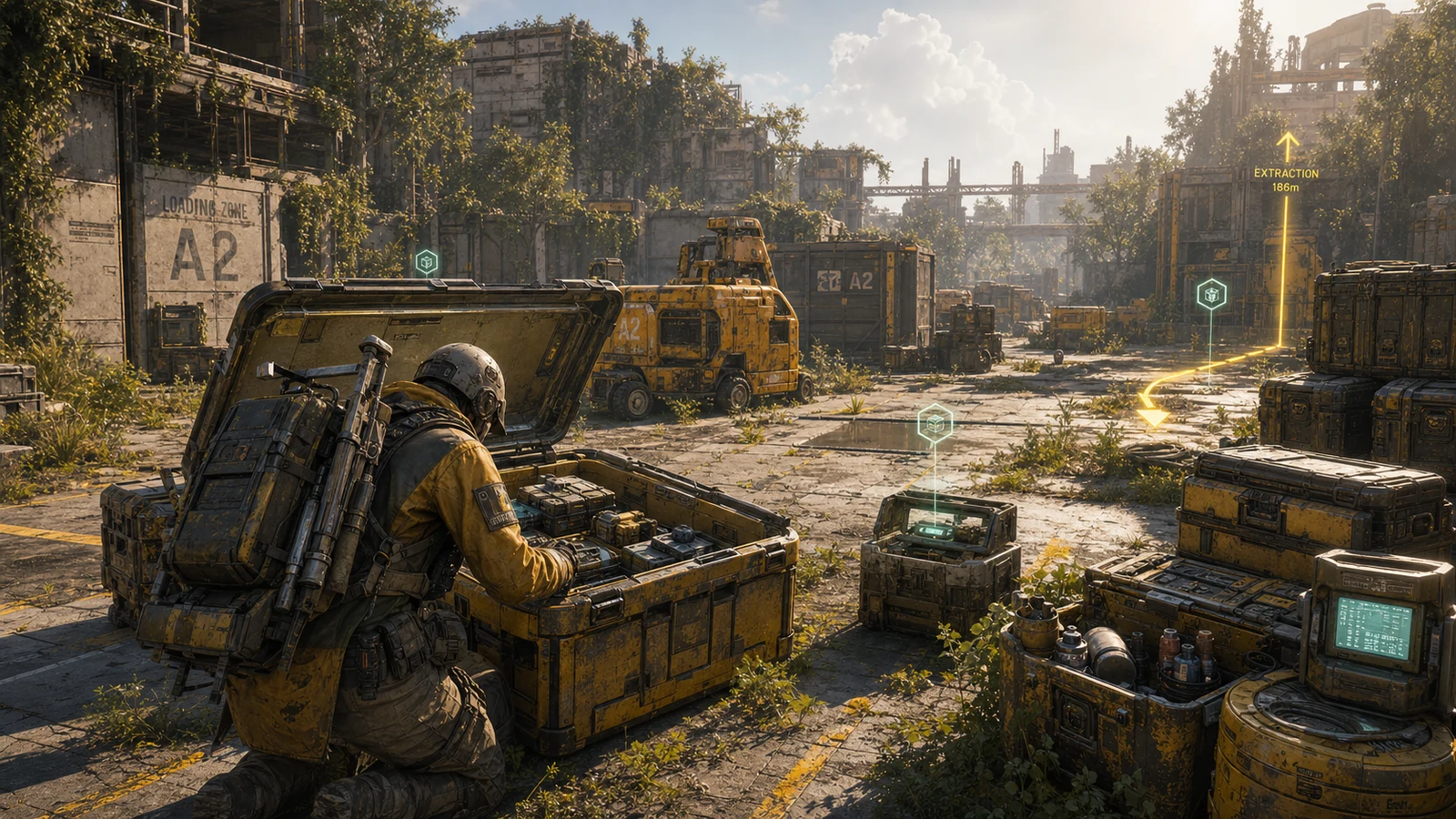
For Harvesting
Makes scavenging extremely easy and efficient. Lacks survivability but speeds up leveling through high-value loot extraction.
Use BuildEssential allocations for your skill tree journey
Arc Raiders is a punishing game where every stat point matters. Going into a raid with an unoptimized build can mean losing your hard-earned gear. Using our skill tree builder is the safest way to experiment with different combinations of Mobility, Survival, and Conditioning without spending in-game currency on resets.
Whether you are a solo player looking for the best solo skill tree to play stealthily, or a squad leader optimizing for team buffs, planning ahead is the key to victory. Our tool allows you to: